Operation Sindoor Row: Haryana Drops Prosecution Against Ali Khan Mahmudabad, SC Notified

(By Syed Ali Taher Abedi)

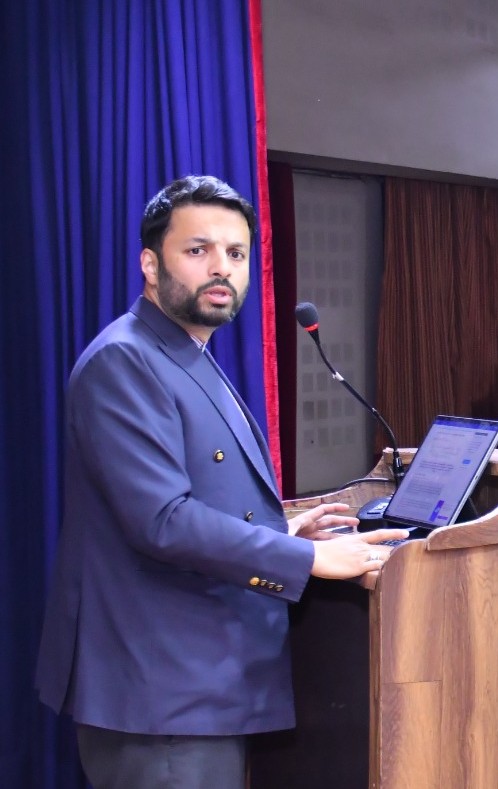
New Delhi: In a significant reprieve for academic freedom, the Supreme Court on Monday quashed criminal proceedings against Ashoka University faculty member Ali Khan Mahmudabad, after the Haryana Government informed the court, it would exercise “magnanimity” as a one-time gesture and withhold sanction to prosecute him over social media comments criticizing aspects of India’s cross-border military action, Operation Sindoor.

A bench comprising Chief Justice of India Surya Kant and Justice Joymala Bagchi recorded the submission on behalf of the State by Additional Solicitor General SV Raju. Senior Advocate Siddharth Luthra and Advocate Nizamuddin Pasha represented the professor.

The court disposed of the matter, effectively closing the case that had drawn national attention to the boundaries of free speech amid national security sensitivities.

Background of the Controversy

The case stemmed from a Facebook post by Mahmudabad last year, where he critiqued Pakistan-sponsored terrorism, denounced war, and urged that plaudits for Colonel Sofiya Qureshi who led India’s press briefing on Operation Sindoor should translate into tangible action on the ground. He also called on right-wing supporters in India to condemn mob lynchings with equal Vigor.

These remarks, perceived by complainants as undermining national morale, triggered two FIRs in Haryana.

The first FIR, lodged on a complaint by Yogesh, invoked Sections 196 (promoting enmity), 197 (imputations prejudicial to national integration), 152 (endangering sovereignty, unity, and integrity of India), and 200 (culpable homicide not amounting to murder) though the latter appears anomalous in context—of the Bhartiya Nyaya Sanhita (BNS).

The second FIR, filed on a complaint by Haryana State Commission for Women Chairperson Renu Bhatia, charged him under Sections 353 (public mischief), 79 (word, gesture or act intended to insult the modesty of a woman), and 152 of the BNS.

Mahmudabad was promptly arrested by Haryana Police and remanded to judicial custody. He approached the Supreme Court for relief, leading to the constitution of a Special Investigation Team (SIT) on the court’s orders.

Judicial Interventions and Timeline

On May 21, 2025, the apex court granted him bail subject to stringent conditions, including restrictions on public statements. In August 2025, it stayed the trial proceedings.

During a prior hearing, the court noted that the State had not yet granted sanction for the two offences requiring prior government approval Sections 196 and 197 of BNS rendering the trial untenable without it.

The sanction request dated back to August 22, 2025.

In January 2026, the court granted Haryana three months to decide. Representing Mahmudabad earlier, Senior Advocate Kapil Sibal argued there was no prosecutable offence, emphasizing the post’s critical yet patriotic tone.

Court’s Admonition and Final Resolution

CJI Kant, however, cautioned Mahmudabad to exercise responsibility in future comments, especially if the State declined sanction.

This advisory was reiterated today after ASG Raju conveyed the government’s decision to drop the matter as a goodwill gesture, avoiding escalation.

The ruling underscores the judiciary’s role in balancing sedition-like charges under the new BNS regime with constitutional protections under Article 19(1)(a).

It follows the Supreme Court’s earlier urging for the State to reconsider and close the case, marking a rare instance of prosecutorial restraint in politically charged speech cases.