New Delhi to Global South: NHRC India’s Fifth ITEC Programme Puts Human Rights Capacity-Building in Focus
(By Syed Ali Taher Abedi)
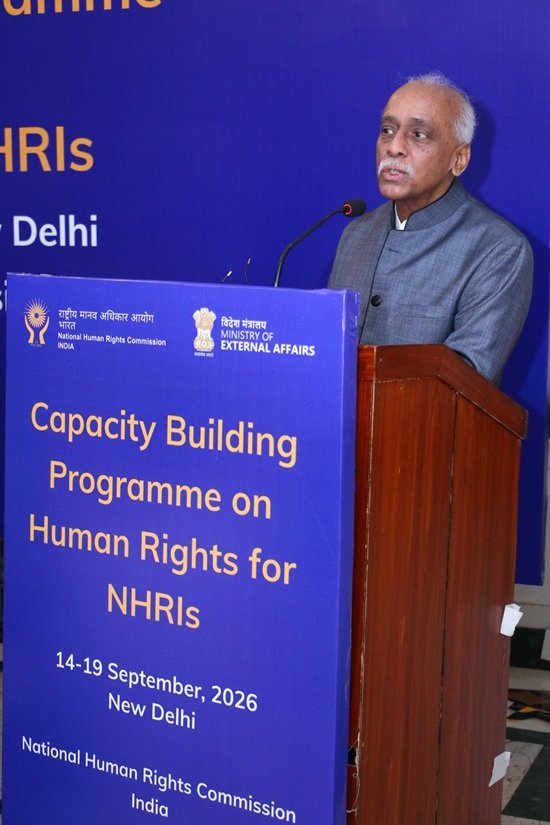
New Delhi, September 18, 2026: The six-day Indian Technical and Economic Cooperation (ITEC) Executive Capacity-Building Programme on Human Rights for National Human Rights Institutions (NHRIs) of the Global South concluded in New Delhi, with National Human Rights Commission (NHRC), India Chairperson Justice V. Ramasubramanian calling for deeper institutional cooperation, experience-sharing and collective learning among human rights bodies across the Global South.
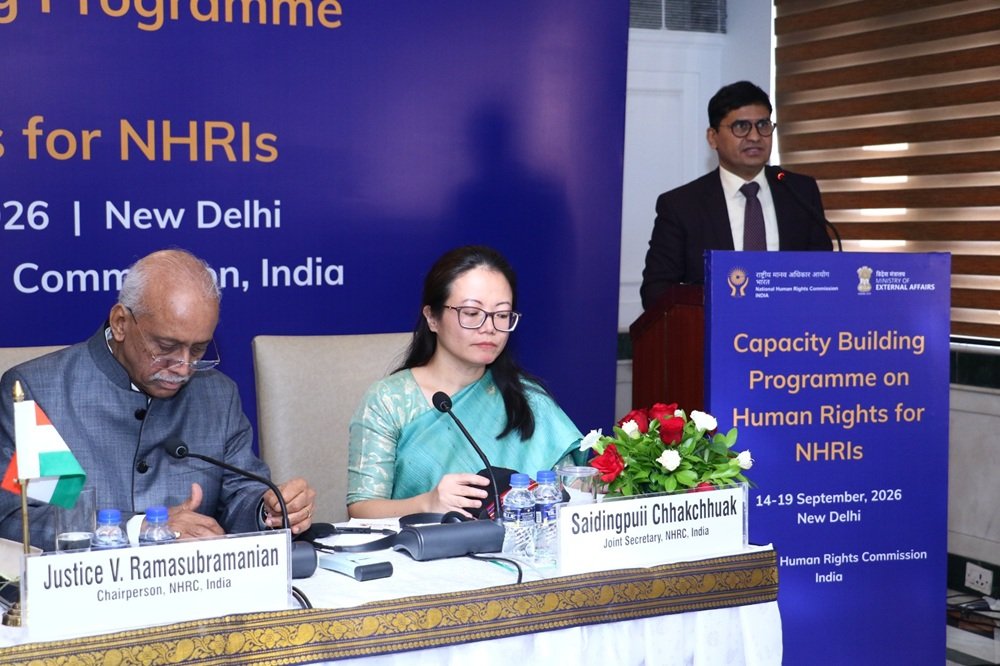
Organised by the NHRC, India in collaboration with the Ministry of External Affairs (MEA), Government of India, the programme brought together 38 senior functionaries representing 14 NHRIs.
Delivering the valedictory address, Justice V. Ramasubramanian underscored the importance of sharing institutional experiences, confronting common challenges and learning from past shortcomings as essential to strengthening governance, accountability and the effective protection of human rights.
The concluding session was attended by MEA Joint Secretaries Samir Kumar and. Saidingpuii Chhakchhuak, besides senior officials and eminent speakers who addressed the participants on various dimensions of governance and human rights.
The programme, which commenced on September 14, 2026, was attended by 38 senior officials from 14 National Human Rights Institutions (NHRIs) representing Algeria, Chile, Ecuador, Ethiopia, Indonesia, Kazakhstan, Kenya, Kyrgyzstan, Malaysia, Oman, Samoa, South Africa, Tajikistan and Zimbabwe.
It featured interactive sessions with eminent personalities and subject-matter experts, familiarising participants with various dimensions of civil and political rights, as well as socio-economic and cultural rights.
The programme featured eminent speakers, including NHRC India Chairperson Justice V. Ramasubramanian, Secretary General Piyush Goyal, senior NHRC officials, UN Resident Coordinator Stefan Priesner, former senior government officials, academicians, prison-reform experts and other specialists. The sessions were further enriched by experiences shared by functionaries of various NHRIs.
In his closing remarks, NHRC, India Chairperson, Justice V. Ramasubramanian, expressed his heartfelt gratitude to all the participants for their camaraderie and positive energy during the programme.
He said the Capacity-Building Programme goes beyond explaining international human rights instruments, as their practical application varies according to the historical, cultural, social and economic contexts of different countries.
Drawing an analogy from science, he said that NHRIs work in the “laboratory” of human rights, where sharing experiences, addressing challenges and learning from mistakes contribute to institutional learning and improvement.
Justice Ramasubramanian expressed appreciation for the active participation of the delegates and emphasised the importance of friendship, cooperation and mutual understanding among NHRIs in advancing human dignity, peace and mutual respect.
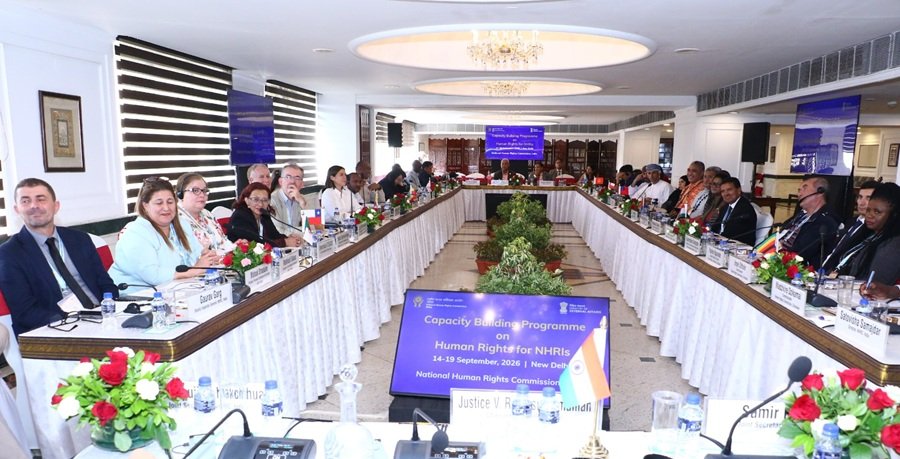
He also acknowledged the need for stronger cooperation among NHRIs of the Global South and formalising a common platform for collaboration
The participants lauded NHRC, India and MEA for organising this programme.
They appreciated the opportunity to learn about various aspects of human rights, good governance and the Indian ethos of respecting human rights in a democracy with diverse social, cultural, religious and linguistic identities.
The participants also got the opportunity to visit iconic places like Rashtrapati Bhawan, Red Fort and Taj Mahal to have an immersive experience of India’s rich cultural heritage.
NHRC, India Joint Secretary, Samir Kumar presented an overview of the training programme, noting that participants from 46 countries and nearly 200 representatives from various NHRIs have been part of this initiative.
He emphasised the need for a nuanced approach while upholding the universality of human rights and appreciated the participants’ active engagement and valuable exchange of knowledge and experiences throughout the programme.