ICJ Delivers Historic Genocide Verdict Against Myanmar; World Court Finds Intent to Destroy Rohingya Minority
Landmark Ruling Holds Myanmar Accountable for Genocide; Orders Comprehensive Reparation Measures, Including Restitution, Compensation and Rehabilitation of Victims
(Judicial Quest News Network)
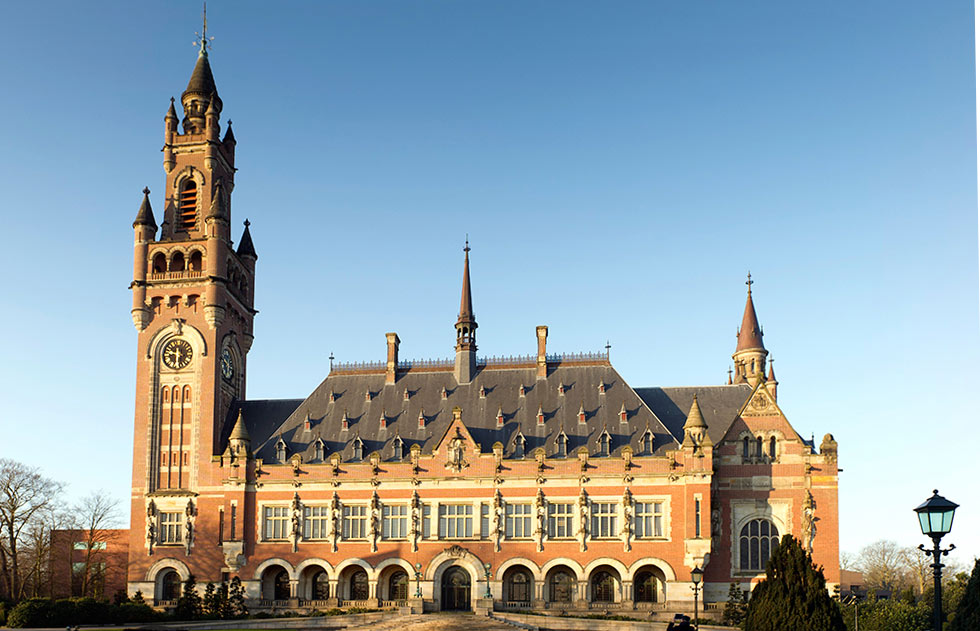
THE HAGUE: 19-11-2026-In a landmark and unprecedented judgment with far-reaching implications for international criminal accountability and human rights jurisprudence, the International Court of Justice (ICJ), the principal judicial organ of the United Nations, has ruled that Myanmar committed genocide against the Rohingya minority, bringing renewed international scrutiny to the atrocities perpetrated during the country’s 2017 military campaign.
Delivering the historic decision, ICJ President Justice Yuji Iwasawa announced that a majority of nine judges on the 15-member Bench had found that the Republic of the Union of Myanmar had committed genocide against the Rohingya population.
The ruling marks a significant moment in the international community’s efforts to address the gravest violations of international law and hold States accountable for acts of mass persecution and destruction directed against protected communities.
The proceedings have been closely watched internationally, as the case represents a critical test of the international legal framework governing genocide and the responsibility of States under the Convention on the Prevention and Punishment of the Crime of Genocide.
Intent to Destroy a Substantial Part of the Rohingya Population
At the heart of the proceedings was the question of whether the military operations undertaken by Myanmar in 2017 amounted to genocide under international law.
The Court’s findings point to the intent to destroy a substantial part of the Rohingya population, bringing the case within the ambit of one of the most serious crimes recognised under international law.
The Genocide Convention prohibits acts committed with the specific intent to destroy, in whole or in part, a national, ethnical, racial or religious group.
Such acts include killing members of the group, causing serious bodily or mental harm, deliberately inflicting conditions of life calculated to bring about its physical destruction, and imposing measures intended to prevent births within the group.
The ICJ’s ruling carries particular significance because it addresses the responsibility of a State under the Genocide Convention, reinforcing the principle that allegations of genocide cannot be treated merely as matters of domestic jurisdiction or internal security.
Court Calls for Comprehensive Reparation to Victims
In a significant aspect of its judgment, the Court addressed the question of reparation for the extensive harm suffered by the Rohingya community.
The ICJ observed that the question concerning the amount and modalities of compensation, or other appropriate forms of reparation, would be determined during a subsequent phase of the proceedings.
For this purpose, Myanmar has been directed to transmit a report to the Court within two years of the delivery of the judgment, setting out the restitution measures it has adopted. Where full reparation through restitution is materially impossible, the report must specify the amount and modalities of compensation.
The Court considered these measures necessary to adequately redress the injuries inflicted upon the protected group.
Four Measures to Address the Humanitarian and Legal Consequences
The judgment identifies four categories of remedial measures intended to address the extensive violations and their consequences.
The first three measures seek to provide redress for killings and disappearances inflicted upon members of the Rohingya community, as well as the displacement of people and destruction of their property.
The fourth measure concerns physical and psychological rehabilitation of survivors.
The Court considered this form of reparation particularly appropriate in view of the large-scale bodily and mental harm suffered by the protected group, including injuries resulting from rape and other forms of sexual violence.
The recognition of physical and psychological rehabilitation as an appropriate form of reparation underscores the far-reaching consequences of genocidal violence, extending beyond loss of life and property to the enduring trauma suffered by survivors.
A Defining Moment for International Justice
The ruling assumes considerable importance in the development of international jurisprudence concerning genocide, State responsibility and the obligation to provide effective remedies to victims of mass atrocities.
By addressing both the underlying violations and the remedial obligations arising from them, the ICJ has reinforced the principle that international accountability must extend beyond judicial declarations to meaningful measures capable of addressing the suffering of affected communities.
The decision also places renewed emphasis on the obligations of States under the Genocide Convention and the international community’s responsibility to ensure that allegations of genocide receive effective judicial scrutiny.
For the Rohingya community, which has endured years of persecution, displacement and profound humanitarian suffering, the judgment represents a significant development in the pursuit of justice, recognition and reparation.
The proceedings will now move towards the determination of the appropriate compensation and other remedial measures, keeping the question of effective redress firmly before the world’s highest court.
The historic verdict sends a powerful message that the prohibition of genocide is not merely a declaration of international principle, but a binding legal obligation carrying consequences for States found responsible for its violation.