NHRC India Engages with SCO Member States on Human Rights Cooperation in Bishkek
(Judicial Quest News Network)
New Delhi: 23rd June 2026–
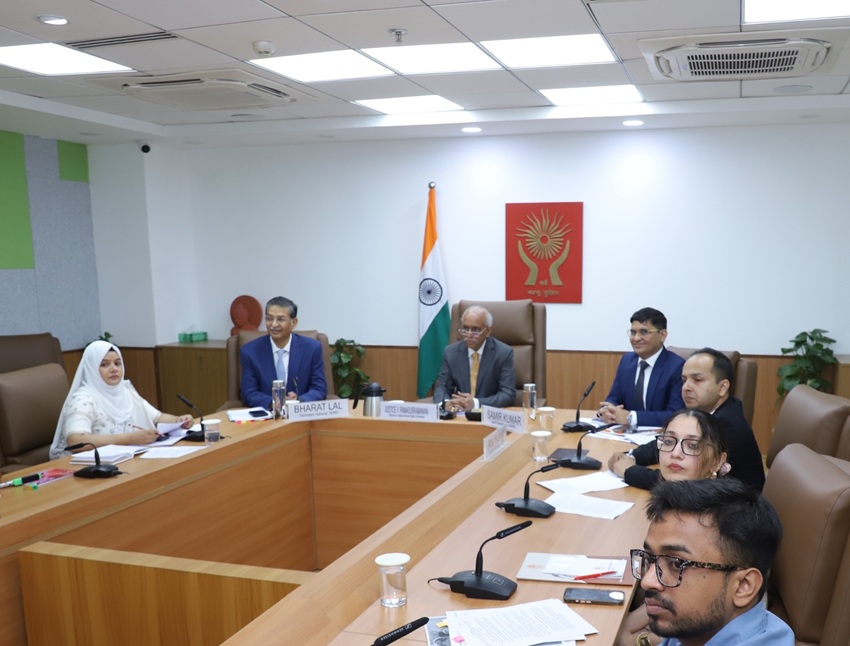
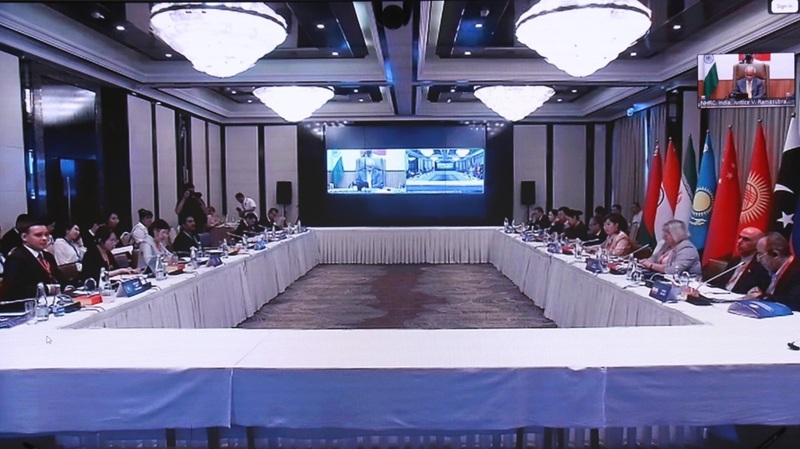
The National Human Rights Commission (NHRC), India, took part in the inaugural Consultative Meeting of National Human Rights Institutions, state bodies and related organisations from SCO member states in Bishkek, Kyrgyzstan.
Chairperson Justice V. Ramasubramanian described the forum as a timely contribution to regional human-rights discourse and underscored NHRC India’s ITEC capacity-building programme for NHRIs, highlighting the role of structured learning, sustained dialogue and cross-border engagement in fortifying institutional capacity.
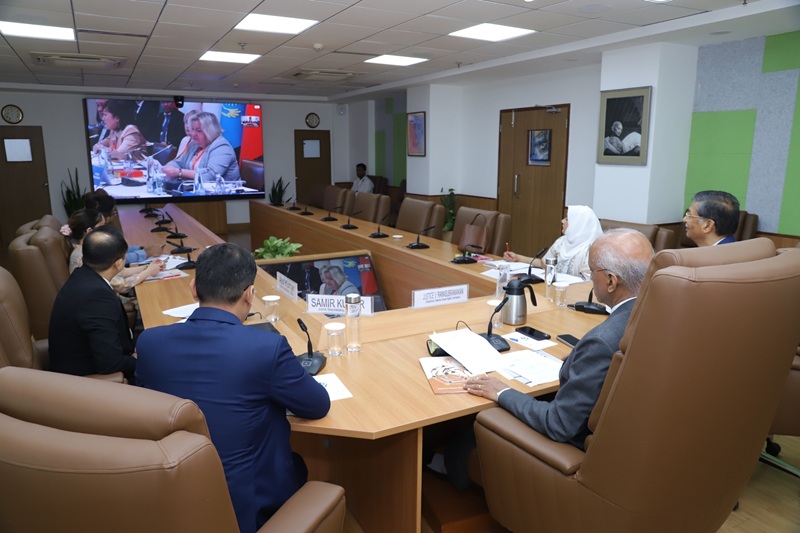
The high-level Indian delegation was led by NHRC Chairperson Justice V. Ramasubramanian, alongside Secretary General Bharat Lal and Joint Secretary Samir Kumar. They joined global human rights defenders, including the Ombudsperson of the Kyrgyz Republic, the Deputy Secretary-General of the SCO, and heads of human rights institutions from Russia, China, Iran, Pakistan, Uzbekistan, Kazakhstan, Tajikistan, and Belarus.
A Unified Front for Global Challenges
Addressing the assembly, Justice Ramasubramanian praised the Kyrgyz Republic’s visionary leadership in creating this forum.
He emphasized that building a regular, consultative network among NHRIs is a timely, forward-looking strategy to protect vulnerable populations against today’s complex socio-economic and geopolitical crises.
“National Human Rights Institutions serve as vital bridges of trust between the State and society, ensuring that the voices of citizens are heard and that social stability is rooted in justice,” Justice Ramasubramanian stated.
While advocating for deeper cooperation, he noted that regional human rights frameworks must always respect State sovereignty, equality, and mutual national interests.
He strongly endorsed the summit’s draft protocol, which focuses on:
- Transparent Information Sharing: Breaking down borders to track and address human rights trends.
- Exchanging Best Practices: Learning what works best to protect citizens in different cultural contexts.
- Coordinated Responses: Developing unified strategies to tackle systemic rights violations.
Over Three Decades of Defending Rights
India’s extensive experience took centre stage as Justice Ramasubramanian highlighted the NHRC’s robust 32-year legacy.
Since its founding in 1993, the Commission has fought for accountability by handling nearly 2.37 million cases of human rights violations.
This massive wealth of institutional knowledge, he noted, is a resource India is eager to share to help elevate rights protections across all member states.
To turn these ideas into action, Justice Ramasubramanian proposed an active, ongoing curriculum of joint seminars, hybrid training programs, and the expansion of the NHRC’s Indian Technical and Economic Cooperation (ITEC) Capacity Building Programme.
A Shared Vision for the Future
The summit concluded with a powerful call to action.
The NHRC reaffirmed its dedication to the SCO framework, expressing absolute confidence that this new consultative mechanism will evolve into a premier global platform for human rights dialogue.