53 Mothers Lost, A District on Trial: NHRC Launches Probe into Maternal Death Crisis in Madhya Pradesh’s Sidhi
(By Syed Ali Taher Abedi)
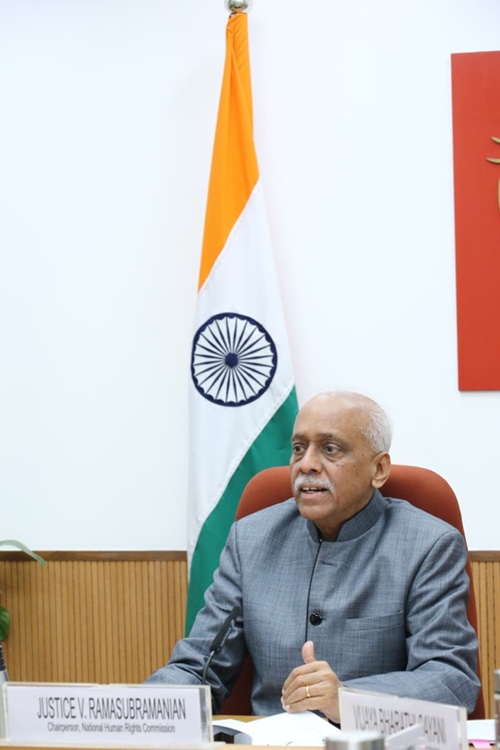
New Delhi/Sidhi, June 2: In a development that has cast a harsh spotlight on the state of maternal healthcare in rural India, the National Human Rights Commission (NHRC) has taken Suo motu cognizance of the alarming deaths of 53 pregnant and newly delivered women in Madhya Pradesh’s Sidhi district within a single year, triggering what could become a far-reaching inquiry into systemic healthcare failures and administrative neglect.
Acting on media reports published on May 29, 2026, the Commission has issued a notice to the Chief Secretary of Madhya Pradesh, directing the State Government to submit a detailed report within two weeks.
The NHRC observed that the reported facts, if established, disclose a grave issue involving the violation of the fundamental human rights of women and raise serious concerns about the state’s obligation to ensure access to basic healthcare services.
According to the reports, 53 maternal deaths were recorded between April 2025 and March 2026.
The average age of the deceased women was merely 26 years, with a majority being first-time or second-time mothers.
The figures have exposed what appears to be a disturbing pattern of healthcare deprivation in one of the state’s most vulnerable districts.
The Commission’s intervention comes against the backdrop of Sidhi’s consistently poor performance in the Community Maternal Health League grading conducted by the State Health Department, where the district has reportedly remained among the bottom three districts for maternal healthcare indicators.
Investigative details emerging from the reports paint a troubling picture of crumbling public health infrastructure.
Community Health Centres, Primary Health Centres and even the District Hospital are reportedly plagued by acute shortages of doctors, specialists and technical personnel.
As a result, critically ill pregnant women are frequently referred to medical facilities in Rewa district, often requiring long and perilous journeys that can prove fatal.
Particularly disturbing are accounts highlighting the region’s infrastructural isolation.
An ambulance driver reportedly revealed that several villages remain disconnected by proper roads, especially during the monsoon season.
In many cases, pregnant women are forced to be carried on makeshift cots for two to three kilometres before they can even reach an ambulance, significantly delaying emergency medical intervention.
The NHRC’s notice signals a formal scrutiny of whether preventable deaths were allowed to occur because of administrative lapses, inadequate healthcare planning, and the failure to provide essential maternal services.
Human rights observers note that the case may ultimately raise larger constitutional questions concerning the right to life, dignity, and healthcare guaranteed under Article 21 of the Constitution.
As the State Government prepares its response, the tragedy in Sidhi has emerged not merely as a public health concern but as a humanitarian and governance crisis one that now stands under the lens of the nation’s premier human rights watchdog.
The Commission’s forthcoming examination of the State’s report is expected to determine whether accountability must follow what many are already describing as a silent maternal health emergency hidden behind statistics and official indifference.