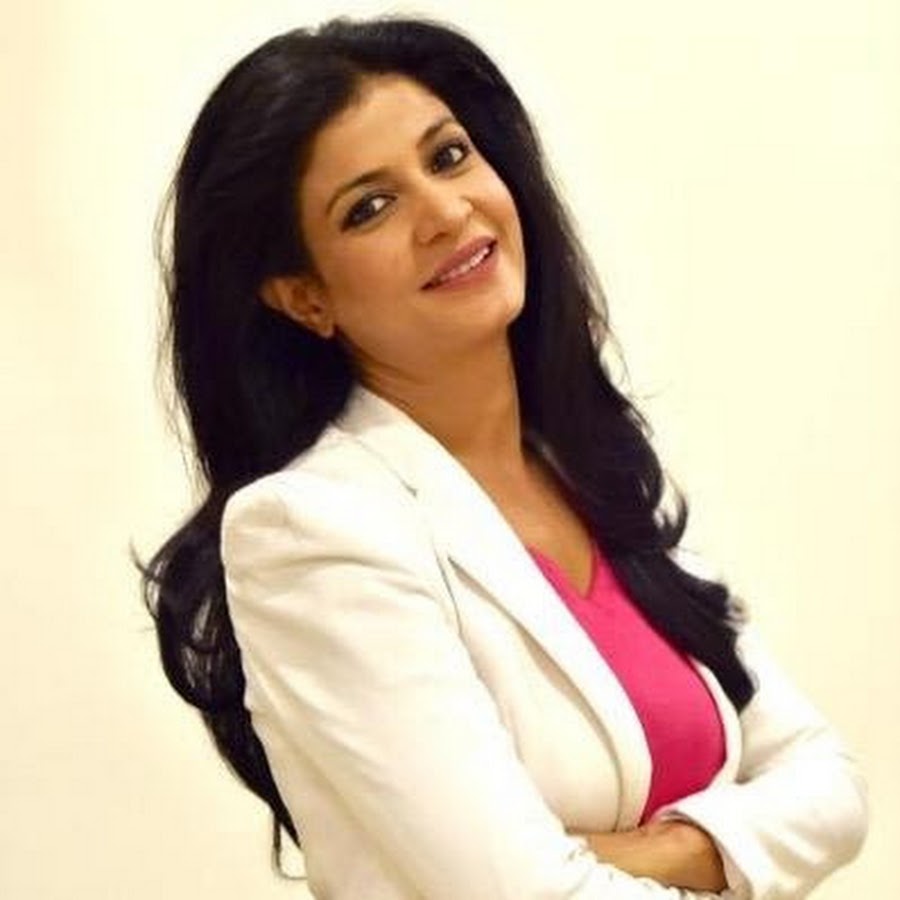
Journalism vs. Digital Criticism: The Legal Implications of Anjana Kashyap’s Lawsuit Against Online Creators
(By Syed Ali Taher Abedi)
8, June,2026-A routine televisual discussion on the commercialisation of education has culminated in full-scale litigation before the Delhi High Court, where senior television journalist Anjana Om Kashyap and her employer, TV Today Network, have instituted a civil suit for defamation seeking damages of ₹2 crore against Faisal Khan (popularly known as “Khan Sir”), several other educators, a number of social media accounts, and a digital news outlet.
The matter is listed for hearing on June 8 before the vacation bench of Justice Neena Bansal Krishna.
Facts alleged in the plaint
According to the plaint, the controversy arose from a debate anchored by Ms. Kashyap on Aaj Tak on May 29, 2026, during which she offered critical commentary on the emergence of online “star teachers,” the commercialisation of competitive-examination coaching, and the concomitant influence exercised by educators commanding tens of millions of followers.
The plaintiffs characterise those remarks as fair journalistic comment on a subject of legitimate public interest and national importance.
What the plaintiffs say followed, they allege, was not measured rejoinder but a coordinated, sustained campaign of defamatory abuse directed at Ms. Kashyap and the television network. Apart from Mr. Khan, the suit names teachers Abhinay Sharma, Babita Tyagi and Arvind Bhadauriya, certain X (formerly Twitter) handles, and 4PM News Network as defendants.
The breadth of defendants’ individual educators, anonymous social-media accounts and an organised digital news platform is pleaded to reflect the multi-platform character of the alleged offensive and the plaintiffs’ contention that the defamatory content was the product of a concerted digital offensive rather than an impromptu outpouring by private individuals.
The plaint identifies videos, posts and broadcasts published across digital platforms between May 30 and June 4, 2026, that, it is alleged, described Ms. Kashyap and Aaj Tak with epithets such as “bikau patrakar,” “chatukar,” “dalli,” and accused them of “dalaali” and of running a “fake news ki dukaan.” The plaintiffs submit that such language is not the stuff of reasoned public criticism but personalised vilification calculated to lower them in the estimation of right-thinking members of society.
While acknowledging the constitutional protection for robust criticism in public debate, the plaint draws the well-established legal distinction between pointed professional critique and imputation of dishonesty or corruption that attracts civil liability for defamation.
Of particular gravity is the plaintiffs’ allegation that Mr. Khan publicly disclosed information regarding the school attended by Ms. Kashyap’s child. The suit avers that that disclosure was irrelevant to the public controversy, exposed the family to harassment and unwanted attention, and raised serious security concerns.
The plaintiffs frame this complaint not merely as a reputational grievance but as invoking the right to privacy under Article 21 and the principles articulated by the Supreme Court in Justice K.S. Puttaswamy v. Union of India (2017), emphasising that public status does not entail forfeiture of a minor child’s privacy or a licence to expose that child to risk.
Reliefs sought
The plaint seeks, inter alia:
- removal of the allegedly defamatory content from digital platforms;
- a prohibitory injunction restraining further publication of similar material; and
- monetary compensation of ₹2 crore for reputational and other consequential injuries.
The plaintiffs contend that the takedown prayer is immediately consequential, given the continuing reputational injury each day the material remains accessible online, while the injunction aims to stem any further dissemination pending adjudication on the merits. Assessment of the damages claim, the plaint acknowledges, will require evidence as to reach, virality, and the consequent impact on the professional standing and dignity of the plaintiffs.
The suit raises classic and contemporaneously pressing questions at the intersection of freedom of speech and the law of defamation. The court will be called on to examine, inter alia:
- whether the impugned statements are assertions of fact or expressions of opinion;
- if factual, whether they are true or defensible under recognised exceptions to defamation liability, including fair comment on matters of public interest; and
- whether the disclosure of information regarding a minor child engages the constitutional right to privacy and amounts to independently actionable wrongdoing.
When the defendants enter appearance, they are likely to invoke defences that stress the public nature of the discourse, characterise the impugned statements as opinion or fair comment, and assert that Ms. Kashyap, by virtue of her role, invited robust public scrutiny of her editorial choices.
At the initial hearing the court must confront the interlocutory question of whether ad-interim relief most pertinently, a temporary injunction and orders for removal should be granted prior to the defendants’ response.
Granting such relief would require a prima facie satisfaction of the plaintiffs’ case and a conventional balance-of-convenience analysis, to be undertaken against the judiciary’s well-established caution about prior restraints upon publication and the need to protect free expression even where complained-of material is arguably actionable.
Beyond the parties, the litigation exemplifies the larger legal and constitutional challenge courts increasingly face in policing discourse in the digital public square delineating the boundary where constitutionally protected speech yields to redress for reputational injury and where legitimate public-interest commentary gives way to personalised, actionable harm. The suit, the plaintiffs submit, invites the court to draw that line in the context of multi-platform digital mobilisation and the particular vulnerabilities posed by the identification of minors in contentious public campaigns.
The suit has been instituted through advocates Hrishikesh Baruah, Utkarsh Dwivedi and Pragya Agarwal. The matter is listed on June 8 before the vacation bench of Justice Neena Bansal Krishna, when the court will likely address the question of interim relief and the defendants’ appearance and contest.
In essence, the dispute presents the Delhi High Court with a fact‑intensive contest between competing constitutional values the journalist’s right to comment on matters of public concern, the public’s right to reply, and the individual’s right to reputation and privacy now sharpened by the velocity and reach of digital communications.
The court’s initial rulings on interim measures will test the judiciary’s capacity to protect reputational and privacy interests without unduly chilling robust public debate.
Case: Anjana Om Kashyap & TV Today Network v. Faisal Khan (Khan Sir) & Others | Court: Delhi High Court | Bench: Justice Neena Bansal Krishna (Vacation Bench) | Date of First Hearing: June 8, 2026 | Relief Sought: Takedown of defamatory content, injunction against further publication, damages of ₹2 crore | Counsel for Plaintiffs: Advocates Hrishikesh Baruah, Utkarsh Dwivedi, and Pragya Agarwal
All allegations in the suit are the plaintiffs’ own contentions and remain to be tested before the court. The matter is sub judice.