UP Brick Kilns Under Scrutiny as National Human Rights Commission Takes Up 216 Bonded Labour Cases
(By Syed Ali Taher Abedi)
New Delhi, April 13, 2026: In a significant move aimed at addressing persistent concerns of forced labour, the National Human Rights Commission (NHRC), India is set to conduct an extensive virtual hearing into 216 cases of alleged bonded labour reported from brick kilns across multiple districts of Uttar Pradesh on April 16, 2026.
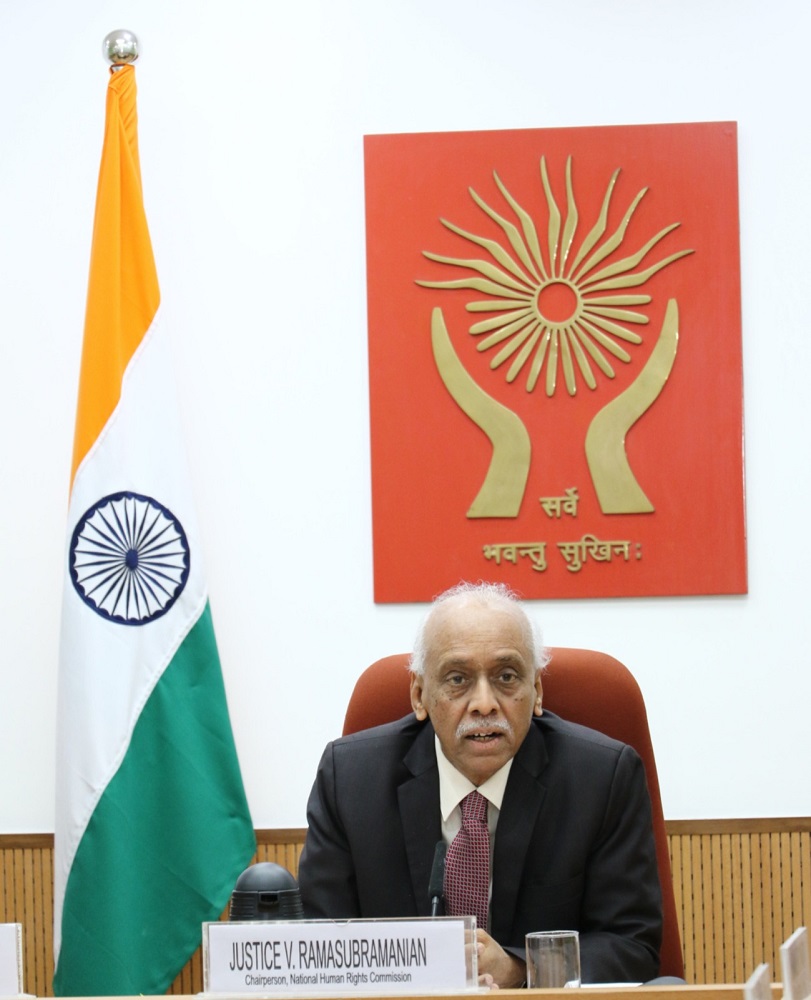
The online proceedings, scheduled to commence at 11:30 AM at the Commission’s premises in New Delhi, will be presided over by NHRC Chairperson Justice V. Ramasubramanian.
The large-scale hearing underscores the Commission’s intensified efforts to combat bonded labour practices and ensure strict enforcement of the Bonded Labour System (Abolition) Act, 1976, in line with monitoring mandates laid down by the Supreme Court of India.
In a directive issued ahead of the hearing, the Commission has mandated the presence of senior state officials, including the Chief Secretary of Uttar Pradesh the Labour Commissioner, and all concerned District Magistrates.
These officials have been instructed to present comprehensive status reports detailing the steps taken to identify, rescue, and rehabilitate bonded labourers.
According to NHRC officials, the hearing will place particular emphasis on evaluating district-level compliance with statutory provisions and judicial directives, especially in light of landmark rulings such as the Bandhua Mukti Morcha vs Union of India and the Asiad Workers case, which significantly shaped India’s legal framework on bonded and forced labour.
The Commission will also review the implementation of rehabilitation measures, including financial assistance packages, vocational training initiatives, and the creation of sustainable alternative livelihoods for rescued individuals.
Another key focus area will be the registration of affected workers on the e-Shram portal, a crucial step to ensure access to social security benefits.
Further, the NHRC is expected to assess preventive mechanisms adopted by district administrations to curb the recurrence of such exploitative practices, particularly in regions identified as high-risk.
This mass hearing forms part of the Commission’s ongoing Suo motu interventions and its continued scrutiny of complaints related to bonded labour.
Officials indicate that the outcome of the proceedings could play a decisive role in strengthening accountability mechanisms and accelerating the eradication of bonded labour practices in the country.