Kerala High Court: Punarjani Project Row Takes New Turn! Petition Challenging Vigilance Clean Chit to CM V.D. Satheesan Referred to Chief Justice
Justice C. Jayachandran Flags PIL Dimensions; Question of Petitioner’s Locus Standi Left for Appropriate Bench
(Judicial Quest News Network)
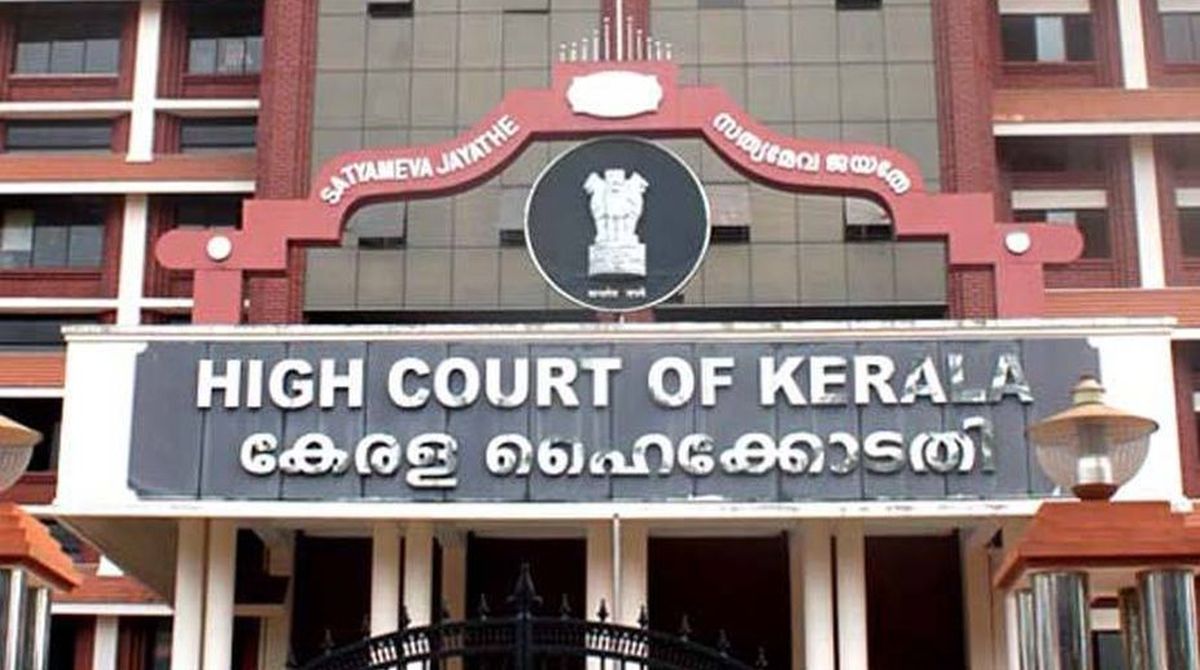
KOCHI: 16, November,2026- The controversy surrounding the Punarjani rehabilitation project associated with Kerala Chief Minister V.D. Satheesan has taken a fresh judicial turn, with the Kerala High Court directing its Registry to place a petition challenging the closure of a Vigilance preliminary enquiry before the Chief Justice for appropriate orders.
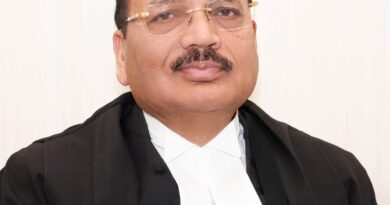
In Advocate K.M. Shajahan v. State of Kerala & Ors., Justice C. Jayachandran observed that the petition appeared, prima facie, to raise issues characteristic of a Public Interest Litigation (PIL).
The Court indicated that the question of the petitioner’s locus standi his legal entitlement to maintain the proceedings would be more appropriately examined by a Bench assigned to hear PIL matters.
The direction is significant from a procedural standpoint, as it opens the way for the Chief Justice to determine the appropriate judicial forum for examining the petition.
However, the Court has not adjudicated the allegations or expressed any opinion on the legality of the Vigilance Department’s decision to close the enquiry.
THE CHALLENGE: WHY WAS THE VIGILANCE ENQUIRY CLOSED?
The petition, filed by advocate K.M. Shajahan, challenges the Vigilance Director’s decision dated May 26, 2026, to close the preliminary enquiry into alleged irregularities connected with the Punarjani rehabilitation initiative.
The petitioner has also sought implementation of recommendations contained in earlier vigilance reports.
The Punarjani initiative was launched in 2018, when V.D. Satheesan was representing the Paravur Assembly constituency, with the stated objective of assisting families affected by devastating floods in Kerala.
The petition alleges that foreign contributions were solicited for the project during a private visit to the United Kingdom in October 2018, raising questions concerning compliance with the Foreign Contribution (Regulation) Act (FCRA).
These allegations remain matters of contention and have not been established by any judicial finding.
£22,500 COLLECTION AND ₹1.22 CRORE TRANSACTIONS UNDER SCRUTINY
According to the petition, an initial preliminary enquiry report dated April 5, 2025, flagged the alleged collection of £22,500 at an event in Birmingham, United Kingdom.
The report also reportedly raised questions concerning financial transactions amounting to approximately ₹1.22 crore involving Kochi-based Manappatt Foundation and its chairman, Ameer Ahamed.
The petitioner further contends that the then Vigilance Director had recommended a Central Bureau of Investigation (CBI) probe to the State Government on April 30, 2025.
The sequence of subsequent developments has now become central to the legal challenge.
According to the plea, authorities sought clarifications from the investigating officer, following which a revised preliminary enquiry report was submitted on May 7, 2026.
Shajahan alleges that the revised report did not displace the earlier findings and questions why the Vigilance Director nevertheless proceeded to close the enquiry on May 26, 2026.
The petition consequently seeks judicial intervention against the closure decision.
STATE QUESTIONS PETITIONER’S LOCUS STANDI
During the hearing, counsel for the petitioner maintained that Shajahan, as a citizen and whistleblower, was entitled to approach the Court even though he was not among the original complainants.
The State, however, strongly contested the maintainability of the petition.
Advocate General Jaju Babu opposed the proceedings, arguing that Shajahan was a third party and lacked the necessary locus standi to challenge the Vigilance Director’s decision.
The Advocate General also drew the Court’s attention to an earlier PIL filed by Jaison Panikulangara, one of the original complainants, seeking a CBI investigation into the Punarjani project.
According to the State’s submissions, a Division Bench had dismissed the earlier PIL on December 9, 2020, directing the complainant to pursue remedies available under the Code of Criminal Procedure (CrPC).
The earlier proceedings and the rival submissions concerning the petitioner’s legal standing formed part of the background to the present hearing.
COURT LEAVES THE MERITS OPEN
Justice C. Jayachandran observed that it would not be appropriate for the present Bench to determine the petitioner’s locus standi if the matter, should it proceed, would ultimately fall within the jurisdiction of a Bench assigned to hear PIL matters.
The Court noted a strong prima facie indication that the petition involved issues requiring consideration under the PIL jurisdiction and accordingly directed the Registry to place it before the Chief Justice for appropriate orders.
The direction is procedural but legally consequential: it leaves the question of maintainability to be considered by the appropriate Bench rather than deciding it at the present stage.
WHAT NEXT?
The matter will now await appropriate orders from the Chief Justice concerning its placement before the competent Bench.
Three significant questions remain open for judicial consideration:
- Whether advocate K.M. Shajahan has the requisite locus standi to maintain the petition.
- Whether the Vigilance Director’s decision to close the preliminary enquiry warrants judicial scrutiny.
- Whether the recommendations and findings contained in the earlier vigilance reports call for further consideration.
JUDICIAL QUEST LEGAL NOTE: The Kerala High Court has not ordered a CBI investigation, set aside the Vigilance Director’s closure decision, or recorded any finding of wrongdoing against Chief Minister V.D. Satheesan. Neither the alleged FCRA violations nor the financial transactions cited in the petition have been judicially established. The present order concerns the appropriate forum for examining the petition and leaves all substantive issues open.