Vande Mataram Debate Reignites in Parliament: Can a National Symbol Be Separated from Its Complex Past?

(By Syed Ali Taher Abedi)

Parliament debates brings an old national question back into focus

Delhi,7, August,2026-A renewed parliamentary discussion on Vande Mataram has opened a wider conversation about patriotism, literary history, religious inclusiveness and the way national symbols are invoked in a modern democracy.

The words Vande Mataram have once again become the centre of a spirited political and public debate, with discussions extending beyond the immediate exchange in Parliament.
The controversy has raised questions about whether a patriotic expression should be treated solely as a test of national loyalty or whether its literary origins, historical setting and ideological associations should also be examined.

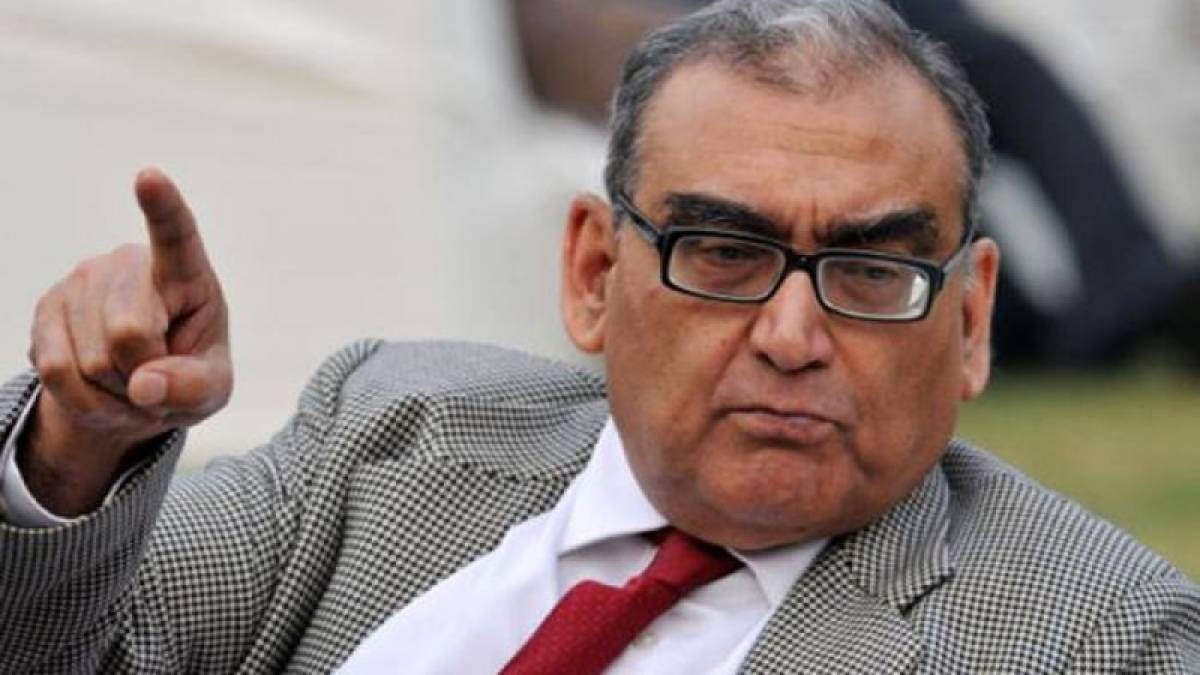
The issue gained fresh attention after Rajya Sabha MP, former Union minister and senior Supreme Court advocate Kapil Sibal spoke about the subject in the Upper House. In response, former Supreme Court judge and former Press Council of India chairman Justice Markandey Katju has argued that the debate cannot be properly understood without revisiting the background of the song and the novel in which it first appeared.

At the heart of the discussion is a larger democratic principle: national symbols can command respect while still remaining open to historical scrutiny.

Supporters of Vande Mataram view it as an enduring expression of love for the motherland and a significant part of India’s freedom movement. Critics, however, contend that the song’s wider literary and ideological context is more complicated than public invocations often suggest.

The literary connection with Anand Math

Vande Mataram was written by Bengali novelist Bankim Chandra Chattopadhyay and appeared in his influential work Anand Math.

The song’s place in India’s political history is closely linked to the anti-colonial period, when it became a powerful expression of national feeling.

Justice Katju’s analysis focuses less on the song as an isolated patriotic composition and more on the narrative and political ideas presented in Anand Math.

He maintains that the novel contains passages in which conflict with Muslim rulers is presented in sharply adversarial terms, while British authority is ultimately treated as an acceptable or even beneficial force.

That reading, according to the article, complicates the image of Vande Mataram as an uncomplicated anthem of resistance.

The author points to a dialogue near the end of Anand Math in which the character Satyananda is persuaded to abandon armed struggle after the defeat of Muslim power.

The passage presents the British as both rulers and friends and suggests that continued resistance against them would be futile.

A contested interpretation of nationalism

This further refers to a later edition of Anand Math, arguing that it portrayed British rule as a force that could help restore Hindu power and facilitate the spread of religious knowledge.

Justice Katju characterises this position as a form of collaboration with colonial authority and questions whether such ideas can be reconciled with contemporary claims about the song’s nationalist significance.

This interpretation is central to the author’s criticism. In his view, invoking Vande Mataram in Parliament without acknowledging the ideological tensions surrounding its literary source produces an incomplete account of the symbol’s history.

He argues that emotional appeals and repeated slogan-chanting should not replace examination of the text from which the song emerged.

The debate also reflects a broader disagreement over how historical figures and cultural works should be assessed.

A writer may be celebrated for literary achievement while particular elements of his social or political outlook remain contested.

The question, therefore, is not necessarily whether Vande Mataram should be remembered, but how it should be remembered and whether its public use should recognise the diversity of India’s historical experience.

Patriotism, inclusion and the role of Parliament

The parliamentary controversy has consequently moved beyond the question of whether citizens should respect a national song.

It now touches upon the relationship between patriotism and dissent, the treatment of religious minorities within national narratives, and the responsibility of lawmakers when invoking symbols with layered histories.

For supporters, Vande Mataram remains inseparable from the sacrifices and aspirations of India’s freedom struggle.

For critics, its association with passages they regard as anti-Muslim, along with the novel’s favourable treatment of British rule, demands a more cautious and historically informed approach.

A mature democracy, should be able to hold both ideas in view.

It can acknowledge the emotional and historical importance of a national symbol while also permitting citizens, scholars and lawmakers to question the circumstances in which that symbol was created and later deployed.

The renewed debate over Vande Mataram is therefore not merely a dispute over words in Parliament.

It is a contest over the meaning of nationalism itself: whether patriotism requires uniformity, or whether it can accommodate historical criticism, disagreement and multiple understandings of the nation.