Diverse Minds, One Goal: 80 Students from Across India Begin NHRC Online Internship
(Judicial Quest News Network)
New Delhi: 3rd February 2026-In a rigorous exercise of selection and academic scrutiny, the National Human Rights Commission (NHRC), India, has officially convened its first Online Short-Term Internship (OSTI) of 2026.
Setting a high bar for entry, the Commission shortlisted an elite cohort of 80 university students from a competitive pool of 1,114 applicants, representing a diverse cross-section of academic disciplines.
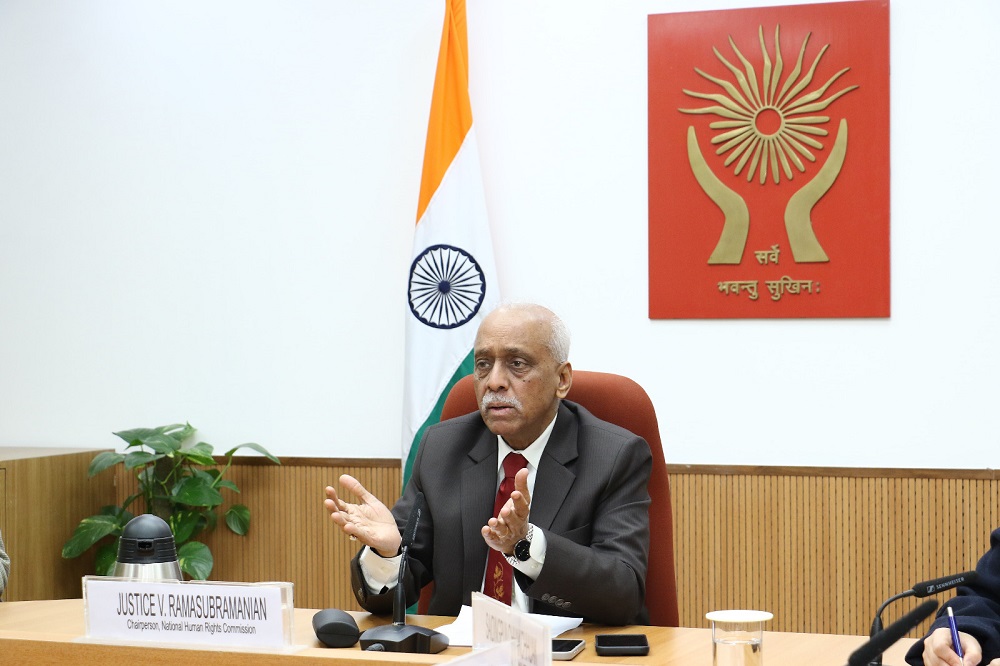
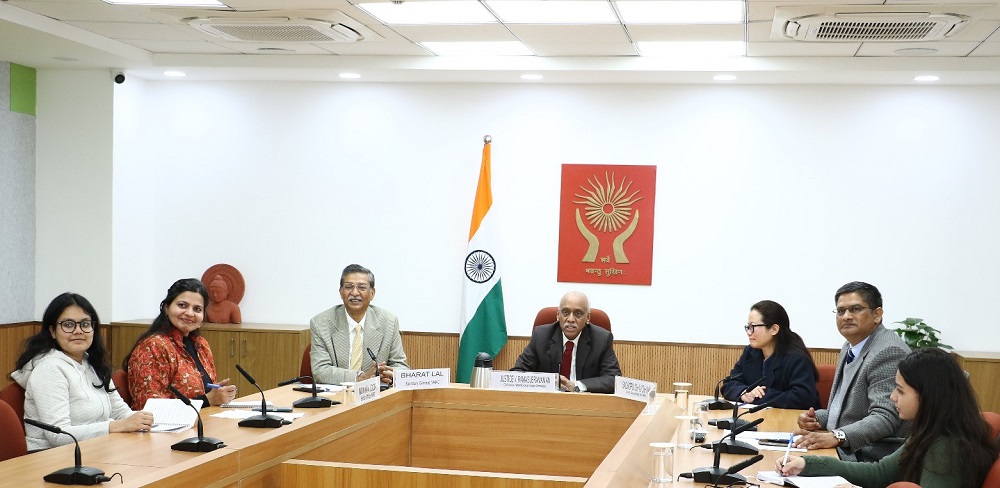
Presiding over the inaugural session, Justice V. Ramasubramanian, Chairperson, invoked the foundational ethos of Indian jurisprudence, urging the interns to internalize core human values.
Emphasizing that the law is inseparable from humanity, Justice Ramasubramanian remarked that compassion and forgiveness remain the hallmarks of India’s age-old traditions and customs—principles that must guide the modern application of human rights.
Echoing the call for proactive advocacy, Secretary General Shri Bharat Lal underscored the program’s transformative intent.
He noted that the two-week intensive is designed to go beyond theoretical study, aiming to sensitize the youth to “evolve as defenders and ambassadors of human rights.” The program serves as a formal induction for the next generation of practitioners into the pursuit of justice and the protection of civil liberties.
The interns were encouraged to fully embrace the diverse learning opportunities offered during their tenure with the Commission, particularly in the field of human rights.
They were reminded that the true value of this experience lies not only in professional growth but also in personal transformation. By cultivating empathy and compassion for the suffering of others, they were urged to evolve into better human beings first, which in turn would make them more conscientious and effective professionals.
Prior to this, Shri Bharat Lal, Secretary General of the NHRC, highlighted the broader vision of the internship programme.
He explained that its purpose extends beyond academic exposure—it is designed to sensitize young minds and inspire them to become defenders and ambassadors of human rights.
He emphasized that human rights are not abstract concepts confined to statutes or judgments; they are rooted in the lived experiences of real people and reflected in everyday conduct.
Therefore, interns must look beyond legal texts to observe values in practice, understand grievances, engage with realities on the ground, and reflect deeply on how violations occur.
Most importantly, they should learn how such violations can be prevented through awareness and advocacy.
Smt. Saidingpuii Chhakchhuak, Joint Secretary of the NHRC, provided a comprehensive overview of the programme’s carefully structured curriculum.
She explained that it includes lectures by eminent speakers and virtual tours of institutions such as Tihar Jail, Shelter Homes, and Police Stations, offering interns direct insights into the practical dimensions of human rights.
In addition, she outlined various interactive activities and competitions designed to strengthen their understanding, sharpen their analytical skills, and build confidence in addressing human rights issues.