Supreme Court Directs States to Draft Police Media Policy in 90 Days, Echoing Amicus Advice
(By Syed Ali Taher Abedi)
Delhi,22, January 2026-In a significant move to standardize how law enforcement communicates with the public, the Supreme Court of India has directed State Governments to implement a comprehensive policy for police-media briefings.
Drawing from a detailed manual prepared by the Court-appointed Amicus Curiae, Senior Advocate Gopal Sankaranarayanan. The Court has granted the States a period of three months to put the requisite framework in place.
The direction was issued by a Bench headed by Justice M.M. Sundresh while hearing a batch of petitions led by the NGO People’s Union for Civil Liberties (PUCL).
The petitions trace their origins to the landmark 2014 judgment of the Supreme Court, in which the Court laid down 16 mandatory guidelines to be followed in cases of police encounters and alleged extra-judicial killings.
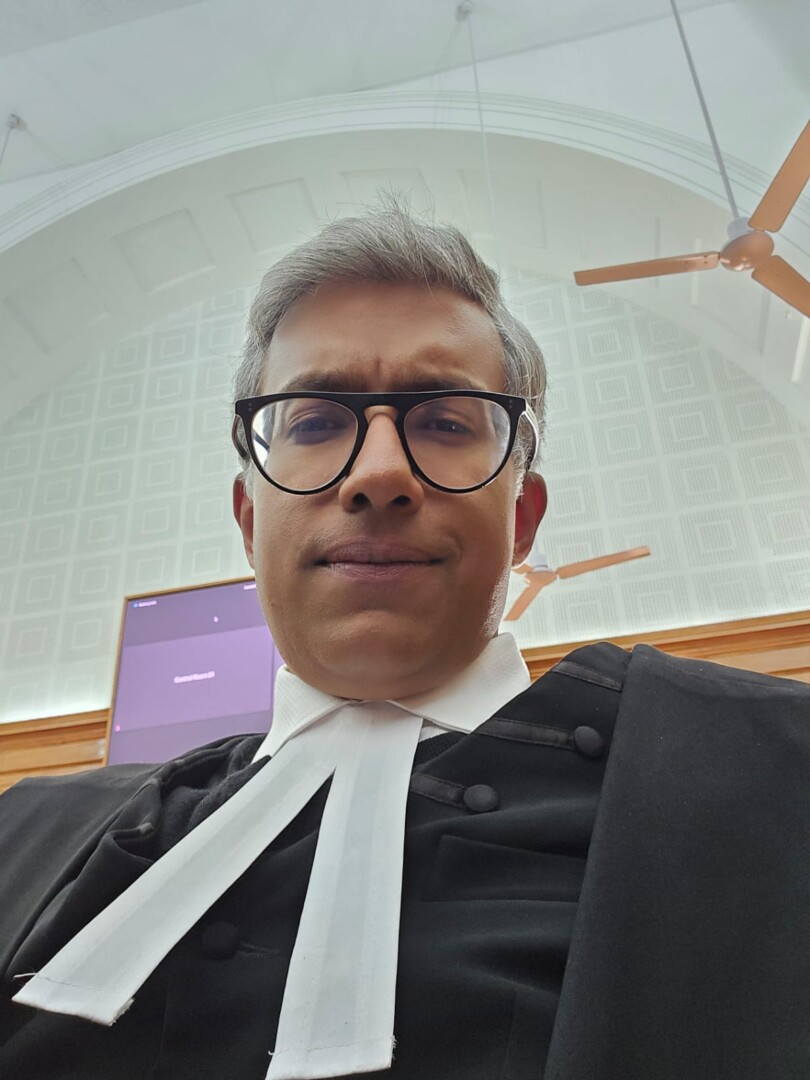
Senior Advocate Gopal Sankaranarayanan, assisting the Court as Amicus Curiae, submitted the manual after taking into account the views of the Union Government as well as best practices prevalent at the international level.
The Court observed that the manual provides a principled, rights-compatible and investigation-safe framework for police communication with the media and the public at large.
The manual is structured into four distinct parts: Foundation, Scope and Purpose (Part I); Authority, Structure and Workflow (Part II); How to Brief (Part III); and Operations, Training and Compliance (Part IV).
It outlines clear procedures and safeguards to ensure that police briefings are accurate, restrained and consistent with constitutional values.
The Supreme Court has entrusted the Ministry of Home Affairs with the responsibility of preparing and implementing best practices for police–media interaction in accordance with the framework suggested in the manual. Notably, the guidelines are not limited to media engagement alone but also extend to police communication with the general public.
The objective, the Court noted, is to strike a careful balance between the public’s right to timely and accurate information and the rights of victims, suspects and witnesses, while preserving the integrity of ongoing criminal investigations.
The Bench also expressed concern over the lack of adequate interest shown by several States, despite repeated opportunities being granted to them to participate in the proceedings.
Highlighting the challenges posed by the contemporary social media landscape, the manual underscores the critical importance of disseminating only verified, necessary and accurate information.
It warns that the circulation of unverified or misleading content has the potential to disrupt public order and undermine the criminal justice process.
The framework covers all forms of external communication, including press notes, media briefings, interviews, social media posts, SMS alerts, public notices, posters and audio-visual content.
The Court observed that the adoption of such a uniform policy would go a long way in curbing misinformation, preventing “trial by media,” and reinforcing public trust in law enforcement agencies.